
Prenatal Breastfeeding Consultations in Salt Lake County.
Home - Lactation Consulting in Salt Lake & Tooele Counties - Prenatal Breastfeeding Consultation
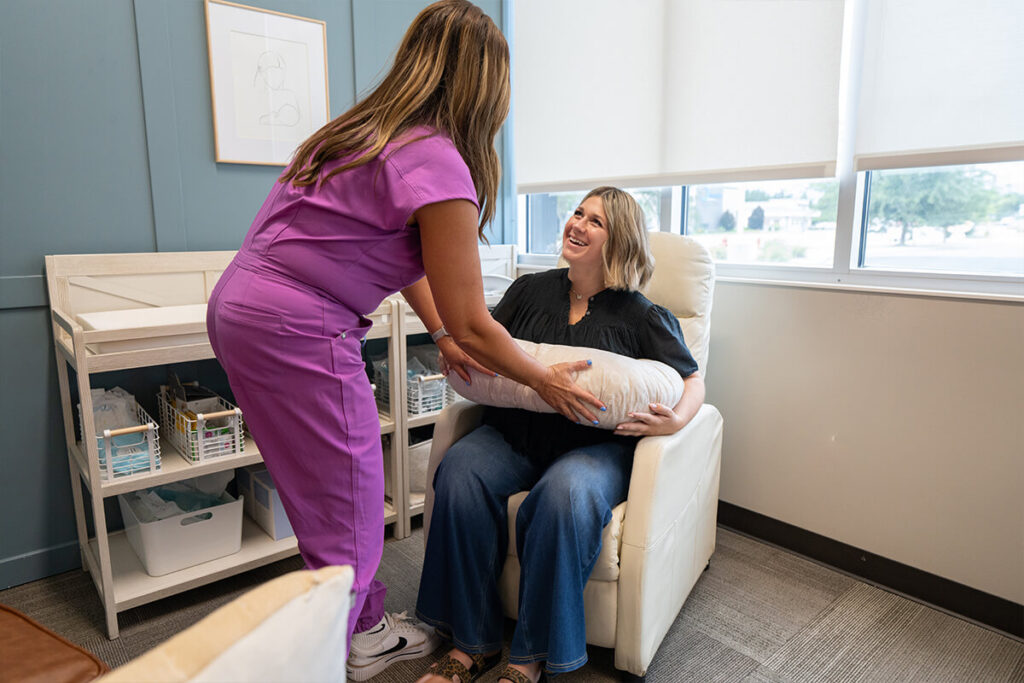
Get Ready to Breastfeed Before Your Baby Arrives
Most breastfeeding questions come up in the first few days, when you are tired, recovering, and meeting your baby for the first time. A prenatal lactation consultation moves those questions earlier, to a calm appointment where you have time to ask them.
You will meet one on one with an IBCLC certified lactation specialist to talk through your history, your goals, and what the first days of feeding actually look like. Available at our Bluffdale, Riverton, South Jordan, and West Jordan offices.
Why Attend a Prenatal Breastfeeding Consultation?
Fewer Surprises
You will know what normal looks like in the first days, so you can tell the difference between a rough night and a real problem.
A Plan That Fits You
Your history, your medications, and your delivery plans all affect feeding. We build around them instead of handing you a one-size-fits-all pamphlet.The Same Team After Birth
The consultant you meet now works alongside your baby’s pediatrician. When you come back, you will not be starting over with a stranger.Schedule Your Prenatal Lactation Consultation
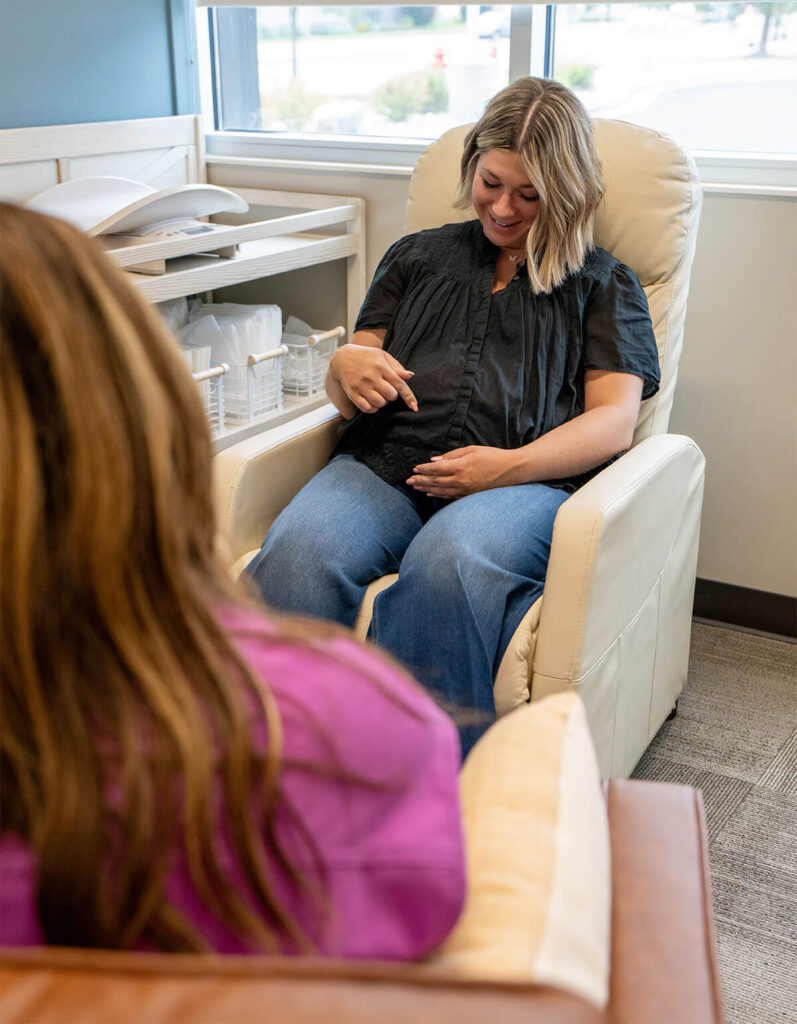
What Happens at Your Visit
Plan on about an hour. This is a conversation, not a class. Bring your questions, and bring your partner if they can come.
Your consultant will:
- Review your medical history, medications, and anything that may affect your milk supply.
- Talk through your feeding goals, whatever they are.
- Offer a breast exam, which is optional and always your choice.
- Walk you through how milk production works and when your milk typically comes in.
- Practice latch and positioning, including options that work after a cesarean.
- Answer your breast pump questions, including whether pumping before birth is right for you, insurance orders, and flange fit.
- Explain normal newborn feeding patterns and how often to expect to feed.
- Set up your follow-up visits so support is already scheduled when you need it.
Support That Continues After Delivery
Feeding changes fast in the first month. Your milk comes in, your baby wakes up, and the plan you made may need adjusting. We schedule your next visits before you leave, so getting help is one phone call and not a search. Families across Salt Lake County see the same lactation team from pregnancy through weaning.




Frequently Asked Questions
Do I need to be an established patient?
No. You are welcome to schedule a prenatal breastfeeding consultation before choosing a pediatrician, and it is a good way to meet our practice. If you plan to bring your baby to Families First, this is also a natural first step.
When should I schedule my prenatal lactation consultation?
The third trimester works best, generally between 28 and 36 weeks. You are far enough along for the conversation to feel real, and you still have time to order a pump and finish anything we recommend.
Does insurance cover a prenatal lactation visit?
Most plans cover lactation support, though coverage details vary. We recommend calling the number on your insurance card and asking about prenatal lactation services. Our team can help you with what to ask.
What if I am planning or expecting a cesarean?
Bring it up at your visit. Milk sometimes takes an extra day or two after a cesarean, and there are positions that keep pressure off your incision. Knowing this in advance is one of the biggest reasons to come in before delivery.
Should my partner come?
Yes, if they can. Partners do a lot of the practical work in the first weeks, including bringing the baby to you, tracking diapers, and protecting your rest. It helps when they have heard the same information you have.
What if I am not sure I want to breastfeed, or I plan to combination feed?
That is a good reason to come in. Our goals are yours, and combination feeding, exclusive pumping, and formula feeding are all real plans. We will help you make the one you choose work.
Should I pump before my baby is born?
For most people, no, at least not to collect milk. Nipple stimulation releases oxytocin, the same hormone that causes contractions, so expressing before term carries a risk of triggering early labor. Expression is generally not recommended before 36 to 37 weeks, and even then only after your OB or midwife has cleared you.
There are situations where collecting colostrum ahead of time makes sense, including gestational diabetes or a known reason your baby may need supplementation early. In those cases we teach hand expression rather than pumping, because colostrum comes in drops and a pump is the wrong tool for the job. Bring it up at your prenatal consultation and we will sort out which applies to you.
One myth worth clearing up: if you express before birth and see nothing, that tells you nothing about your future supply. Milk production is triggered by delivery, not by practice.
Can I try out my breast pump while I am pregnant?
Yes, and this is the version of prenatal pumping we do recommend. Order your pump through insurance during your third trimester, open the box, get your flange size checked, and learn how the parts go together while you are rested and it is quiet. That is genuinely useful preparation. The goal is familiarity with the equipment, not extracting milk. Keep suction off and stop if you notice any cramping, tightening, or spotting, and call your provider.