The changing seasons are one of Utah’s best features. When winter comes, previously lush desert landscapes are draped in a layer of fresh, white snow, turning everything into a winter wonderland. With the change in weather and air quality, many people tend to stay inside, but cabin fever is sure to set in, and kids may want to spend more time outdoors.
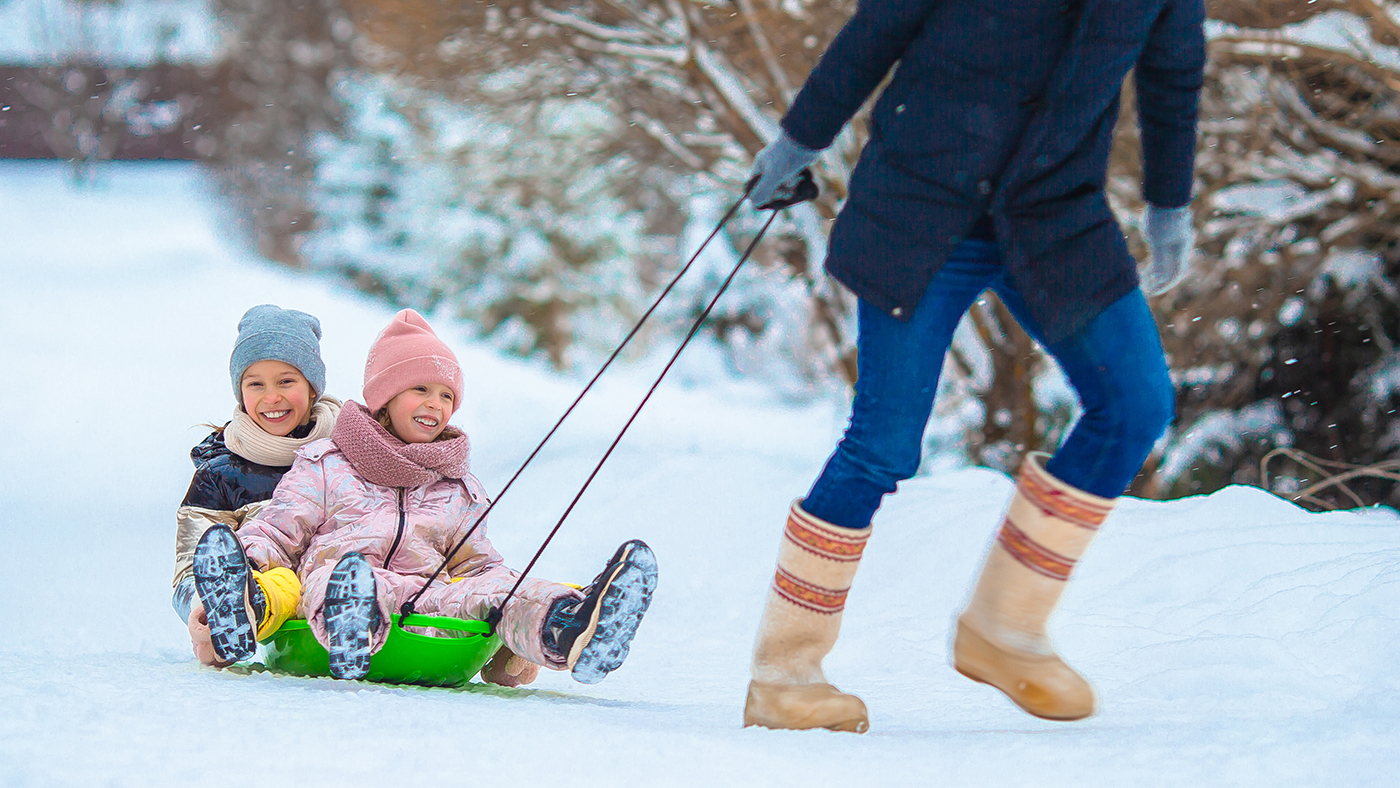
Given the opportunity, kids could spend their entire day sledding or snow tubing, skiing or snowboarding, hiking, snowshoeing, ice skating, building snowmen, making snow angels, and having snowball fights. Winter activities are a great way for kids to get their daily hour of physical activity, but it’s important to make sure they’re properly dressed for the weather.
Winter Clothing for Children
Keeping your kids safe in winter means preventing heat loss by layering up and keeping dry with the right gear. Layering allows kids to remove layers if they get too hot or too wet. Dress children in a base layer like thermal underwear, a mid-layer like a sweater, and an outer layer of waterproof or windproof material. When winter comes, and temperatures drop below freezing, it can be dangerous to spend too much time outside without the proper gear.
Kids’ snow boots: Look for insulated, waterproof boots with slip-resistant soles for walking on snow and ice. Your child’s boots should have enough room for thick winter socks and come up high enough to pull winter pants over the top, preventing snow from getting in.
Kids’ winter hats: Look for warm, insulating materials like wool or fleece. Your child’s winter hat should be tight-fitting and cover the entire top of the head. You might also consider a hat with ear flaps for extra cold-weather protection.
Winter coats for kids: Not all coats are created equal, and kids may need different coats for different occasions. For cold weather, look for an insulated jacket that will retain heat and keep your child warm long-term.
Think about what sorts of features your child needs, like thumbhole cuffs, a hood, adjustable wrist cuffs and waistband, and reflective accents for nighttime safety. Kids may also opt for a one-piece snowsuit or snow bibs instead of or in addition to a winter coat.
Waterproof gloves or mittens: Gloves offer more dexterity, but mittens are warmer because they let your child’s fingers share the warmth. Look for waterproof mittens or gloves with a thermal lining to help keep your child’s fingers warm and dry.
Winter accessories: The goal is to keep exposed skin to a minimum. Accessorising with earmuffs, scarves, and a balaclava helps to cover those last bits of exposed skin and keep your child warm in the snow.
How long can kids be outside in the cold?
Because kids have smaller bodies, they are more susceptible to temperature extremes. Put simply, your kiddos feel the effects of the cold before you do. How quickly your child loses heat depends on the outside temperature, the wind chill, how wet the snow is, and other factors. With that in mind, there’s no specific amount of time kids can play outside safely.
Instead, have your kids come inside to check in every once in a while and take a break from the cold. While they’re inside, look out for signs that they might be getting too cold. Check socks and mittens for moisture. If they’re wet, it might be time to come in and warm up.
Take special care with babies and toddlers who are most susceptible to rapid heat loss. Look out for signs of frostbite and hypothermia. If your child’s temperature drops below normal during or after their time outside, get medical help immediately.
How cold is too cold for kids to play outside?
Wind chill refers to how cold the environment feels, regardless of how cold it actually is. It’s a measure of how quickly heat is lost from exposed skin, through a combination of temperature and wind. The more wind there is, the faster you lose heat.
For instance, an air temperature of 40 degrees Fahrenheit with 25-mph winds feels like 29 degrees Fahrenheit. Even though the temperature is technically above freezing, frostbite or hypothermia can start in as little as 30 minutes.
Use your local wind chill forecast to gauge how long kids can safely play outside. If temperatures are above freezing, it’s probably safe to be outside. If temperatures are between 13 and 31 degrees Fahrenheit, children should take frequent breaks every 20 to 30 minutes. If temperatures are below 13 degrees Fahrenheit, kids should stay inside.
Understanding Hypothermia in Children
Hypothermia happens when the body loses heat more quickly than it produces heat, and core body temperature falls below 95 degrees Fahrenheit. It usually happens after prolonged exposure to cold weather conditions, but if temperatures are below freezing, hypothermia can happen in as little as 30 minutes.
To prevent hypothermia, layer your child in warm clothing and limit exposed skin. Teach your child to stay dry. That means coming inside if they get too wet or if they sweat too much. When your child checks in, look out for the following signs of hypothermia:
- Shivering is the body’s way of trying to warm up and is an early sign of hypothermia
- Slurred speech
- Shallow breathing
- Weak pulse
- Loss of coordination
- Drowsiness
- Confusion
- Loss of consciousness
- Bright red, cold skin in infants
If you suspect hypothermia, call 911 and gently warm your child while you wait. Offer warm, sweet drinks. Replace wet clothes with dry clothes or blankets, focus on the center of the body, and avoid rewarming too quickly. You can use an electric blanket or apply warm, dry compresses to the neck, chest, and groin.
Understanding Frostbite in Children
Frostbite happens when the skin (and sometimes deeper tissue) freezes. It can happen in as little as 30 minutes when wind-chill temperatures are below freezing. Frostbite mostly impacts the extremities, including fingers, toes, ears, and nose. Common signs and symptoms of frostbite include:
- Persistent shivering
- Numbness
- Tingling
- Discolored patches of skin
- Stiff joints
- Pain
- Blisters after rewarming
If you suspect frostbite, warm your child up slowly. Apply warm washcloths or soak frostbitten areas in warm (not hot) water for 20 to 30 minutes, then dry and cover with blankets. Offer warm, sweet drinks and don’t place anything hot directly on the skin.
Contact your child’s pediatrician if pain or numbness lasts for more than a few minutes or if your child exhibits intense shivering, pain after rewarming, slurred speech, drowsiness, or clumsiness.