
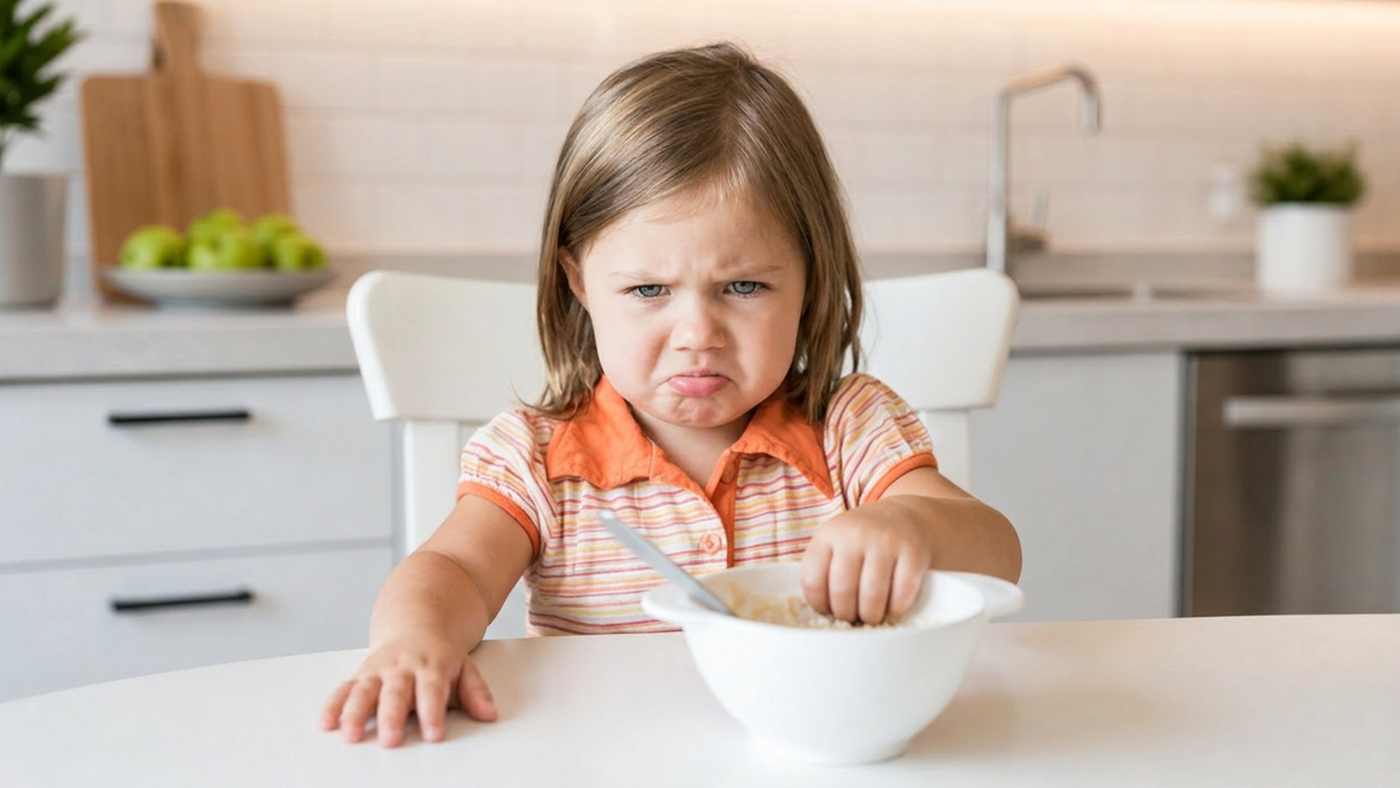
If your toddler suddenly insists on eating the same three foods on repeat, turning their nose up at everything else, you’re not alone. Mealtime battles are one of the most common concerns parents bring up at well-child visits. The frustration is real, and so is the worry about whether your child is getting the nutrition they need. The good news is that picky eating in toddlers is a normal part of early childhood development, and there are simple, low-pressure strategies that can help.
Having a varied diet is one of the best ways to make sure your child gets the nutrients they need to grow. Over time, picky eating can contribute to limited dietary variety and gaps in important nutrients like iron and zinc. Low fiber intake from too few fruits and vegetables can also lead to constipation and digestive discomfort. That said, most picky eating is temporary, and knowing what to do and what not to do can make a real difference.
Why Picky Eating Is Common in Toddlers
Most kids are at least a little picky, and there’s a reason for that. Toddlers are in a stage of rapid development where asserting independence is practically part of the job description. Refusing a food they loved last week isn’t necessarily a sign that something is wrong. It’s often a sign that your child is figuring out who they are.
Research suggests picky eating peaks between the ages of two and four, and it may even have an evolutionary basis. Being cautious about unfamiliar foods could have helped protect young children from eating something harmful. So while it’s frustrating in the moment, that stubborn streak may actually be doing its job.
What Causes Picky Eating in Toddlers?
Picky eating can be influenced by a wide range of factors. Common causes include:
- Early feeding difficulties in infancy
- Waiting too long to introduce lumpy or textured foods during weaning
- Feeling pressured to eat at meals
- A strong drive for independence, which is very common in toddlers
- Unfamiliarity with new foods (kids thrive on routine and predictability)
- Filling up on snacks or drinks before mealtime
- Learned behavior from siblings or friends
- Sensory sensitivity to certain textures, flavors, or smells
What’s Normal vs. When to Worry About Picky Eating
It’s normal for kids to push back against certain foods. That resistance is part of how children forge their own identities and is a developmentally appropriate part of early childhood. Most children who are picky eaters grow out of it around age five.
Picky eating is not the result of poor parenting, and it may not have anything to do with what you’re doing at all. It’s not uncommon to have one picky eater and one adventurous eater living under the same roof. As long as your child is growing at an appropriate rate and has good energy, there’s likely no cause for concern.
That said, it’s worth talking to your provider if picky eating leads to poor growth, significant weight loss, nutritional deficiencies, or extreme distress around mealtimes. If extreme pickiness continues past age six, that’s a good time to check in with your care team. Your provider can help rule out sensory processing concerns, feeding difficulties, or nutritional gaps.
Simple Strategies to Encourage Healthy Eating
When picky eating starts affecting family mealtimes, it can feel like every dinner is a negotiation. Here are two evidence-based approaches that can make a real difference over time.
Offer Choices Within a Framework
One of the most effective tools for picky eaters is a concept called the Division of Responsibility. The idea is simple: you decide what food is offered, when meals happen, and where your child eats. Your child decides what they eat and how much, from what’s on their plate.
In practice, this looks like putting three to four foods on the plate, such as a protein, a carb, a fruit or vegetable, and at least one “safe” food your child already likes. Set the plate down and step back. You don’t need to negotiate, encourage, or hover. When kids have some control over what they eat from the options in front of them, they’re more likely to explore new foods over time.
In my experience, the families who see the most progress are the ones who take the pressure off. It can feel counterintuitive, but stepping back and letting your child make choices from what you’ve provided is often more effective than coaxing them to eat. Give it a few weeks before you decide if it’s working.
Model Healthy Eating
Kids learn by watching the people around them. Sitting down to eat the same meal as your child, without commentary, sends a powerful message. You don’t need to make a separate dish for your picky eater. Serve one family meal, include a safe option, and let your child see you enjoying a variety of foods.
This kind of low-pressure, consistent exposure is one of the most powerful long-term strategies you have. It also takes some of the pressure off you, since you’re not managing two separate meals at the end of a busy day.
Common Mistakes That Can Make Picky Eating Worse
It’s worth knowing what not to do, too. Some well-meaning responses to picky eating can actually make things harder over time.
Pressuring or Forcing Your Child to Eat
Encouraging a try is fine. Pressuring your child, demanding a clean plate, or making food a source of conflict often backfires. Kids who feel forced tend to become more resistant to new foods, not less.
Turning Mealtimes into a Power Struggle
When meals become a battleground, food becomes a tool. Keep the energy at the table calm and predictable. If your child senses that refusing food gets a strong reaction, they’re more likely to use that as leverage.
Only Serving Familiar Favorites
Your child may need to encounter a new food ten or more times before they’re willing to try it. Don’t give up after a few rejections. Try offering unfamiliar foods alongside familiar ones, or blending them in, like adding spinach to a fruit smoothie.
Letting Snacks Fill the Gap Before Meals
If your child fills up on snacks or milk before dinner, they won’t arrive at the table hungry enough to be open to new foods. Keep snack times reasonably spaced from meals, and keep portions light.
Making a Separate Backup Meal
Cooking a different dish for your picky eater can reinforce the habit over time and signal that refusing food leads to something better. Offer one family meal with at least one safe food included, and let your child choose from what’s there.
Using Dessert as a Reward
Offering sweets in exchange for eating vegetables can backfire in the long run. It makes certain foods feel like a chore and treats feel even more desirable. Keeping expectations neutral and consistent supports a healthier relationship with food.
Something I tell parents regularly: it can take 15 or more exposures to a new food before a child is willing to try it. Keep offering without pressure, and give it time. The goal isn’t a clean plate. The goal is a child who feels safe and calm at the table.
When to Talk to Your Provider
Most picky eating is temporary and doesn’t require medical intervention. But there are times when it’s worth reaching out to your provider. Consider scheduling a visit if:
- Your child’s weight or growth seems to be affected
- Picky eating is causing significant distress for your child or your family
- Your child gags, chokes, or has strong physical reactions to food textures
- Your child’s diet is so limited that you’re concerned about nutritional deficiencies
- Extreme pickiness continues past age six
Your provider can help you assess whether your child’s eating habits are on track, refer you to a feeding therapist if needed, and make sure any nutritional gaps are addressed.
Have questions about your child’s eating habits or growth? The providers at Families First Pediatrics are here to help. Schedule a visit at any of our nine Salt Lake County locations, or reach out any time with your questions.
Sources
PubMed Central, Picky eating in children: causes and consequences
Harvard Health Publishing, Study gives insight — and advice — on picky eating in children
CDC, Picky Eaters and What to Do
What to Expect, Why Is My Toddler Such a Picky Eater? 6 Causes of Picky Eating
Brown Health, Picky Eaters and Common Childhood Feeding Problems
Child Mind Institute, Picky Eating: What’s Normal and What’s Not
Children’s Hospital of Philadelphia, Feeding a Picky Eater: The Do’s and Don’ts
University of Utah Health, Helping Your Picky Eater—And Knowing When to Seek Help