In a world filled with screens, busy schedules, and a lot of sitting, many parents find themselves wondering how to get their kids moving without it becoming a daily battle. It can feel challenging to compete with tablets, video games, and homework, especially when everyone is tired at the end of the day. The good news is that movement doesn’t have to feel like exercise or another chore on the to-do list. With a little creativity, getting kids active can be fun, playful, and something the whole family looks forward to.
Regular movement is essential for kids’ physical and mental health, and active kids are more likely to remain healthy into adulthood. Active kids have better bone health, physical fitness, brain function, academic performance, attention, healthier weight, and are less likely to have symptoms of depression. Building healthy habits early on helps shape long-term wellness and reduces childhood obesity.
Exercise Recommendations for Children
Physical activity is important for kids of all ages, but recommendations change as your child grows. Kids aged three to five need to be active throughout the day. Engaging in active play with your toddler throughout the day is a perfect way to ensure they get the exercise they need.
Kids six and older need a combination of aerobic exercise and exercises to strengthen the muscles and bones. Older kids should get at least an hour of moderate or vigorous physical activity every day, and do a variety of types and intensities throughout the week. Reduce the time your child spends doing sedentary activities like video games or television, and make sure they take breaks from reading or resting to get up and walk around. Finding the right balance between screens and physical activity is so important.
Aerobic Activities
Aerobic activities raise your child’s heart rate and increase respiration. If your child can talk but can’t easily sing, they’re at a moderate level of activity. Examples of moderate aerobic activities include taking a long walk, playground activities, team sports, swimming, dancing, skating, or cycling.
Strengthening Activities
Strengthening activities help your child’s muscles and bones develop. These include things like gymnastics, team sports, jumping, martial arts, sit-ups, push-ups, and similar exercises. Kids can also do resistance exercises with free weights, weight machines, or exercise bands. When using weights or doing activities like skating, kids should wear the proper protective equipment and have adult supervision.
It’s important for kids to do exercises and activities that are appropriate for their age, development, and overall health. Talk with your pediatrician about exercise recommendations if your child has a disability or underlying health condition.
Building Healthy Habits at a Young Age
Start with Small, Realistic Activity Goals
If an hour every day seems unattainable, it’s okay to start with smaller goals and work your way up. Start with 15 minutes if you need to as adding any amount of activity to your child’s day will improve their overall health. In fact, setting an unattainable goal could discourage your child from exercising at all. Set goals that make sense for your child and your family, and make adjustments as you go.
Make Movement Fun and Play-Based
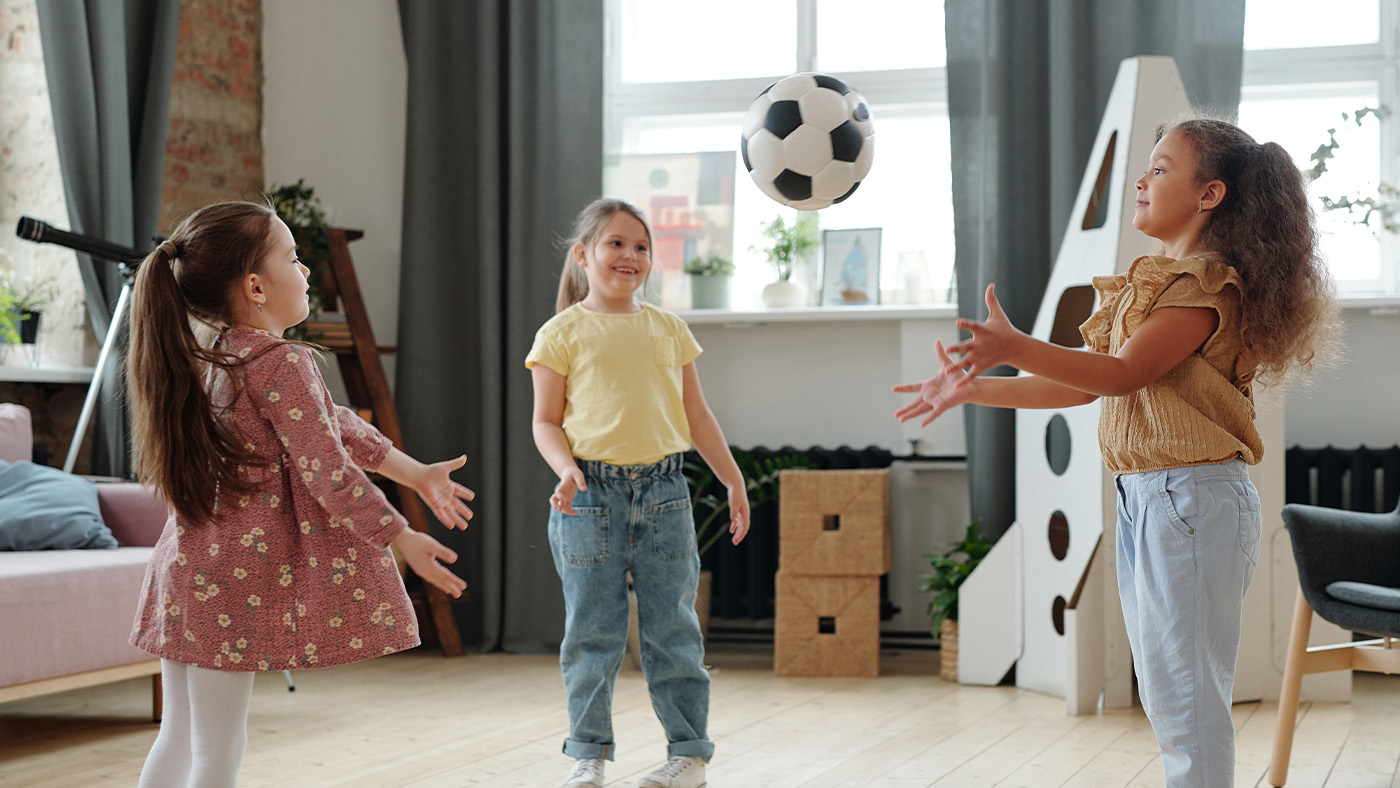
Physical activity doesn’t have to be a chore. Turn it into a game and make it fun. Kids’ fitness games can be played inside or outside and include things like:
- Scavenger hunts
- Pillow fights
- Duck, duck, goose
- Balloon volleyball
- Dance parties
- The floor is lava
- Obstacle courses
And if inside play isn’t cutting it, take kids to places that facilitate active play like parks, jungle gyms, fields, and basketball or tennis courts.
Build Activity Into Daily Routines
There’s limited time in the day, so finding ways to build physical activity and exercise into your schedule is key. You can take the family for a jog or even just to walk the dog (dogs need exercise too!), walk or jog in place while you watch a movie together, or get up for some jumping jacks during commercial breaks, park farther away when you go to the store, and take the stairs instead of the elevator. Find ways to make things you’re already doing a little more active.
Model an Active Lifestyle
We can tell kids to exercise until we’re blue in the face, but they pay more attention to what we do. One of the best ways to have an active kid is to be an active adult. Show your child the importance of physical activity by doing it yourself. One of the best ways for everyone to get exercise and model an active lifestyle is to do family fitness activities together.
Make It Social and Engaging
Everything is a little more fun when you have friends along for the ride. Kids can meet their friends at the playground or play team sports with their neighbors and classmates. They can ride bikes through the neighborhood or build a treehouse in the backyard. Even active video games based on dance or simple exercises can be a fun way for kids to be active.
Use Positive Reinforcement
It can be frustrating when our kids aren’t meeting their health goals, and you may be tempted to punish or take things away. You might be especially tempted to take away smartphones, tablets, game consoles, and other sedentary devices. While reducing screen time is an important part of your child’s overall health, positive reinforcement works better. Instead, focus on ways your child can build more physical activity into their day and establish sustainable daily habits. And make sure to celebrate with them when they get it right!
Lifestyle changes don’t happen overnight, and stumbling every now and again doesn’t mean you should give up. Building active habits takes consistency, creativity, and support from parents and caregivers. The goal is to help kids discover the joy of movement and the fun of physical play, so it becomes a part of who they are on a daily basis.
Sources:
NHS
CDC
CDC
American Heart Association
UPMC
Children’s Hospital of Philadelphia
American Heart Association
Mayo Clinic