

It’s an exciting time! Your new baby is on the way, and it’s almost time to meet them! You probably have a million things racing through your mind as you prepare for the big day. Most parents spend between one and four days in the hospital, but the average stay is about 48 hours. Sometimes it can be a little longer if you have a C-section or other unexpected turns.
While having a baby isn’t exactly a vacation, you’ll still probably want to pack a bag. Packing a hospital bag gives you one less thing to worry about on one of the most important days of your life, especially if you fill it with the right things. Here’s everything you need to know about packing your hospital bag and what to put inside.
When should you pack your hospital bag?
Unless you’ve scheduled induced labor or a C-section, babies come on their own time, and it’s up to you to be prepared. Some birthing parents start packing their hospital bag at about 27 weeks, or at the beginning of the third trimester. This can be a fun way to get yourself in the baby mood before your newborn arrives, however waiting a little later to pack if also reasonable.
Babies usually arrive between 37 and 42 weeks, so the general recommendation is to pack your hospital bag at around the 36-week mark. If you’re having a high-risk pregnancy, multiples, or your doctor has suggested you might go into labor early, it’s wise to pack your bag sooner.
Important Documents to Pack in Your Hospital Bag
Paperwork is probably the last thing on your mind when your baby is on the way, but there are a few things you’re going to want on hand. Keeping a few important documents handy can make the logistical aspects of a hospital delivery go a little more smoothly.
- Driver’s license or ID
- Insurance card or insurance information
- Birth plan (if you have one)
- Hospital pre-registration forms
- Emergency contact information
- Cash or a debit/credit card, just in case something comes up.
Clothing Essentials for Labor, Delivery, and Recovery
Labor can (and often does) last for a while, and a few comfort items can make the experience more comfortable.
- Warm socks, slippers, or non-slip sandals (you might find yourself pacing up and down hospital halls)
- Favorite pajamas, comfortable robe, or nightgown (those that make it easy for skin-to-skin, nursing, and walking the halls)
- Comfortable clothing, a cozy sweatsuit, and something comfy to wear when you leave the hospital (your go-home outfit!)
- Nursing bras with no underwire
- Nursing pads
- Newborn outfits. You might be tempted to choose your new baby’s cutest outfits, but you should pack a couple of outfits that are easy to put on and take off.
- Baby mittens so your baby doesn’t scratch their face.
Toiletries and Personal Care Items for Comfort
In the toiletry department, you’ll want to pack pretty much anything you’d take on vacation with you. Think of anything you might need if you were leaving home for a long weekend.
- Toothbrush and toothpaste
- Deodorant
- Shampoo, body wash, and face wash
- Hairbrush, hair clips, hair ties, headbands, or other ways to keep the hair out of your face
- Lip balm (dry, cracked lips are not uncommon during labor)
- Prescribed medications you are currently taking (Most hospitals have their own pharmacy, and your prescription medication will likely be available with them and having a list of the prescribed medications you are currently taking is helpful).
- Glasses or contact lenses
- Non-slip shower shoes
Comfort Items to Help You Rest and Relax
You already know you might have to hang out at the hospital for a day or two after your baby is born, but you also might have down time before delivery. A variety of comfort items can keep you comfortable, relaxed, and distracted before and after showtime.
- Books, magazines, puzzles, music, or other things to keep you entertained
- Snacks (if your hospital allows)
- Pillows, blankets, and towels (the hospital will provide these, but they may not be as comfortable as you’d like)
- A swaddling blanket for your newborn
- Phone or tablet
- An extra-long charging cord or a charger pack (outlets are never as close or convenient as you might need).
- Breastfeeding pillow. A pillow provides extra support for holding your baby while nursing, so your arm doesn’t get tired. It can also protect your c-section incision during nursing.
- Earbuds or other headphones
Postpartum Recovery Must-Haves
Labor and delivery are only the beginning of your hospital stay. You’re likely to spend the first day or two of your postpartum recovery in the hospital, and there are a handful of things to make that time more enjoyable. Many of these will be provided by the hospital, and some you may prefer to bring yourself.
- Easy, high-protein snacks as hospital meals can be unpredictable, and hunger hits fast during postpartum
- Hydration drinks or electrolyte packets for recovery, breastfeeding, and healing.
- Dermoplast or numbing spray to relieve perineal discomfort or stitches
- Ice packs or perineal cold packs to reduce swelling and provide comfort in the first 24–48 hours
- Nipple cream (Lanolin or equivalent) to help ease into breastfeeding.
- Nursing pillow to support positioning for feeding, reduce strain on your body, and protect c-section incision
- A small fan or cooling item as postpartum hormone shifts can make you unexpectedly hot or sweaty
- Postpartum underwear (the hospital will provide this, but if you have some you prefer, be sure to pack them)
What NOT to Pack in Your Hospital Bag
The hospital will provide you with some essentials that can save you time and money while preparing. There are also things you might think you’ll need but are unlikely to use, such as the following:
- Diapers and wipes
- Hair dryers
- Lotion and nipple cream
- Hemorrhoid pads
- Peri bottles and water sprays
- Breast pump, you’re unlikely to use one; they take up space, and the hospital will have one if you need it
Hospital Bag Checklist for Mom
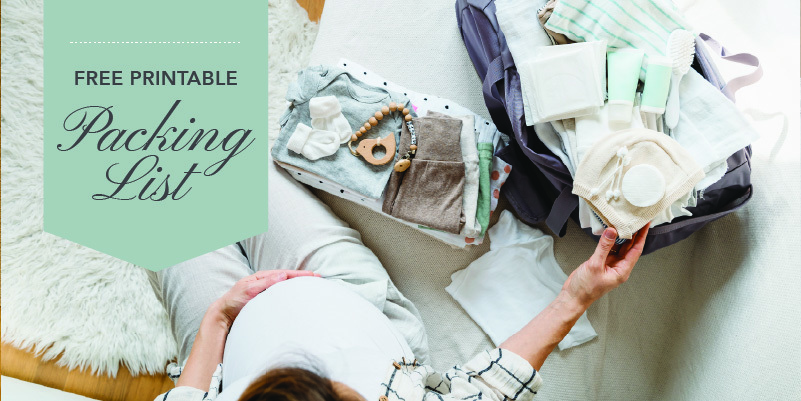
You wouldn’t be expected to remember all these things in the best of times, let alone when you’ve got a newborn on the brain! You can always bookmark this page for reference later or print out our handy hospital bag checklist. It’s free and lists everything on one page.
Sources:
Ergobaby, Ultimate Hospital Bag Checklist: What to Pack for Labor, Birth & Postpartum
The Bump, Hospital Bag Checklist: The Ultimate List of What to Pack for Mom, Baby & Partner
The Mother Baby Center, When to pack your hospital bag and what to bring
Kaiser Permanente, Packing your bag for delivery day
Parents, Essential Items to Pack in Your Hospital Bag for Labor and Delivery